
BEST FOR quick EVERYDAY COOKING
01
Gas Grill
A propane or natural-gas grill that delivers fast startup, predictable heat, and plenty of cooking space for weeknight meals, backyard cookouts, and everyday grilling.
From fast and convenient gas grills to classic charcoal cookers, versatile kamados, and portable grills built for cooking anywhere, this guide will help you understand the options and choose the right grill for the way you actually cook.
Answer a few quick questions about how you cook, how involved you want to be, and where you plan to use your grill. We’ll point you toward the grill style that best fits your setup and routine.
01
Quick burner control, hands-on charcoal, insulated efficiency, or a simple travel-ready setup?
02
Clean and convenient gas heat, traditional charcoal flavor, or the flexibility to cook several different ways?
03
A permanent backyard setup, a smaller patio, the campsite, tailgate, or wherever the weekend takes you?
04
We’ll balance your budget with cooking space, construction, convenience, and long-term usefulness.
Gas, charcoal, kamado, and portable grills each offer a different balance of convenience, flavor, versatility, cooking space, and fire management. Compare the four main grill styles below to find the one that best fits how and where you cook.
A propane or natural-gas grill that delivers fast startup, predictable heat, and plenty of cooking space for weeknight meals, backyard cookouts, and everyday grilling.
A kettle, barrel, or cart-style grill that delivers traditional charcoal flavor, high-heat searing, and flexible direct or indirect cooking for backyard meals.
An insulated ceramic or metal grill that holds heat efficiently and handles high-heat searing, roasting, indirect grilling, and low-and-slow cooking in one versatile setup.
A compact gas or charcoal grill designed for campsites, tailgates, RV trips, picnics, and small spaces where easy transport and quick setup matter most.
A gas grill is built for cooks who want to turn a knob, light the burners, and start cooking without managing charcoal or building a fire. Propane and natural-gas grills offer predictable heat, generous cooking space, and the convenience needed for weeknight dinners, family cookouts, and frequent backyard grilling.
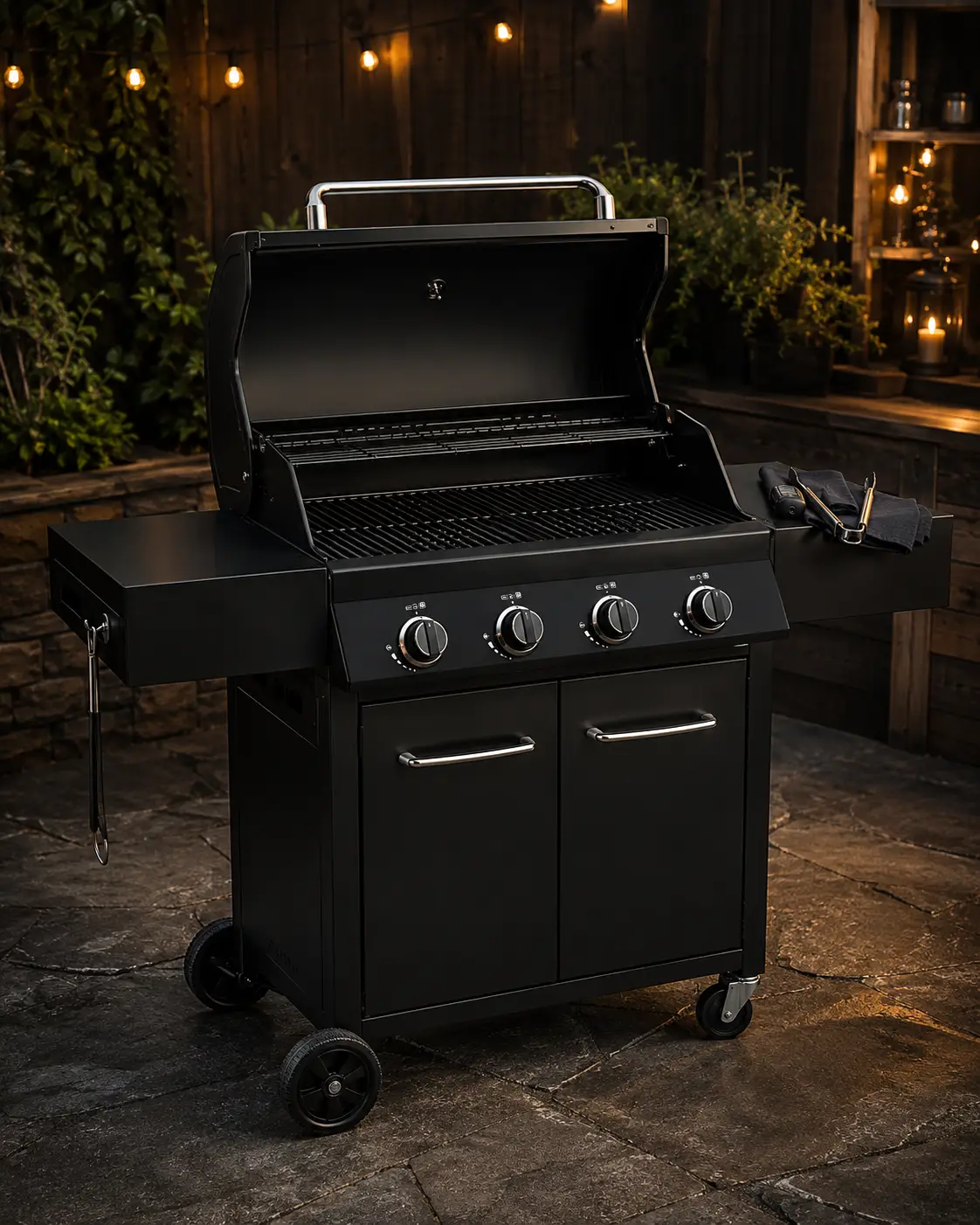
A gas grill turns propane or natural gas into fast, adjustable cooking heat through burners positioned beneath the grates. With independent burner controls, you can build a blazing direct-heat zone for searing, a gentler indirect zone for roasting, or use both at once. Once the grill is preheated, managing the fire is as simple as adjusting a few knobs.
Open the lid, turn on the fuel supply, and ignite the burners using the grill’s built-in ignition system.
Close the lid and allow the grill and cooking grates to heat thoroughly before adding food.
Adjust individual burners to create direct high heat, gentler indirect heat, or a combination of both.
Use the burner controls to make quick temperature changes while grilling, roasting, or finishing food indirectly.
Gas grills earn their place in backyards because they are fast, predictable, and easy to use on a regular basis. That convenience makes them ideal for weeknight cooking and larger cookouts, but it also comes with compromises in smoke flavor, fuel dependence, and long-term component maintenance.
Fast startup with no charcoal preparation
Simple and precise heat adjustment
Plenty of cooking space for everyday meals
Easy shutdown and relatively simple cleanup
Produces less traditional smoke flavor than charcoal
Requires propane refills or a natural-gas connection
Grease buildup can cause flare-ups
Burners, igniters, and other parts eventually wear out
A gas grill is the best fit for cooks who value speed, convenience, and dependable temperature control. It may not deliver the same charcoal flavor as a live-fire grill, but it is hard to beat for frequent weeknight meals, family cookouts, and anyone who wants to spend more time cooking than building a fire.
BACK TO GRIDDLE COMPARISONA charcoal grill rewards a little extra effort with bold grilled flavor, intense searing heat, and excellent control over direct and indirect cooking. Whether you choose a classic kettle, a barrel-style grill, or a larger cart model, charcoal puts you closer to the fire and gives you the flexibility to grill, roast, and even smoke without spending a fortune.
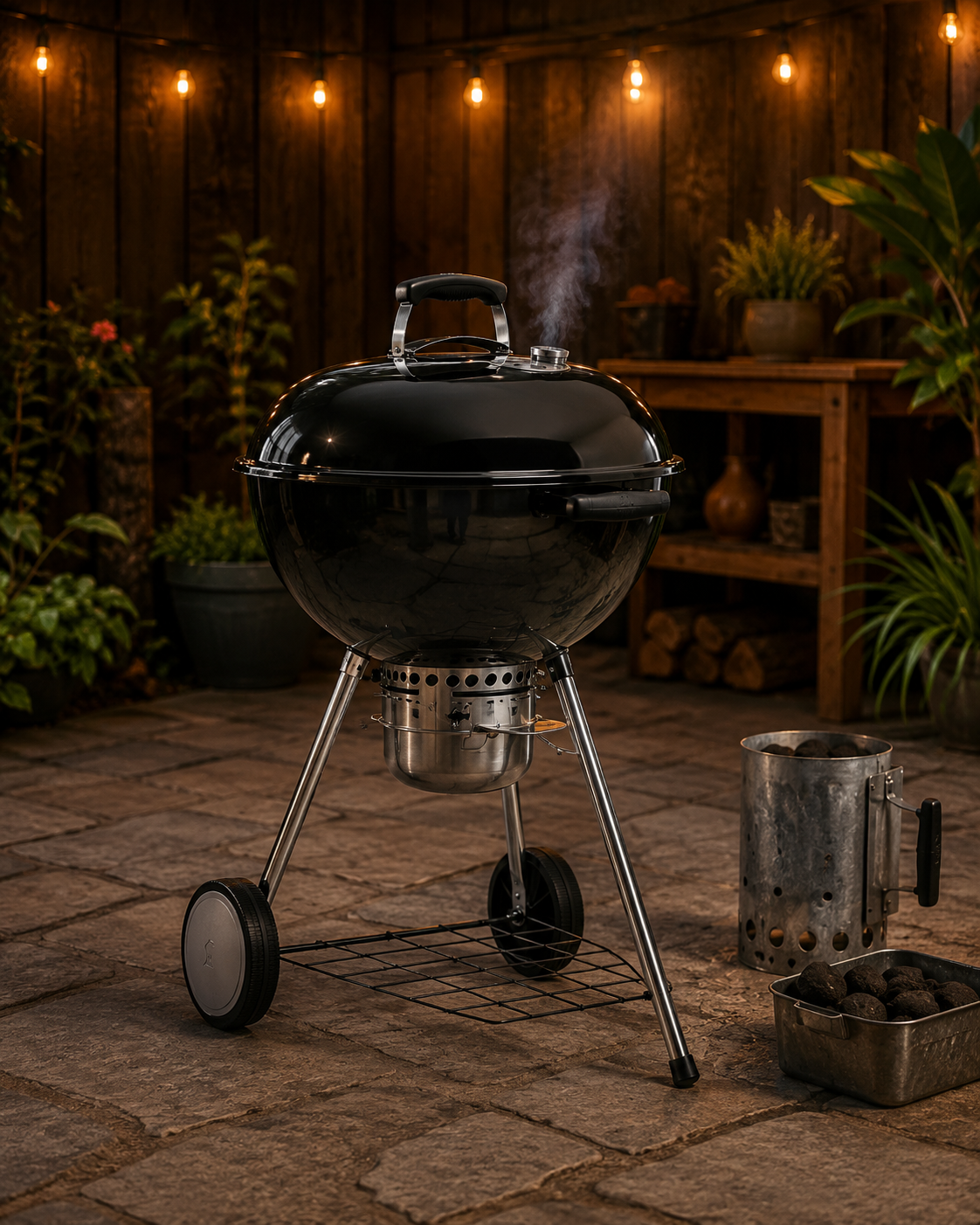
A charcoal grill creates heat by burning briquettes or lump charcoal beneath the cooking grate. Where you place that fuel determines how the grill cooks. Spread the coals evenly for direct grilling, bank them to one side for two-zone cooking, or arrange them in a slow-burning pattern for longer indirect cooks. Airflow through the bottom and top vents controls how hot and fast the fire burns.
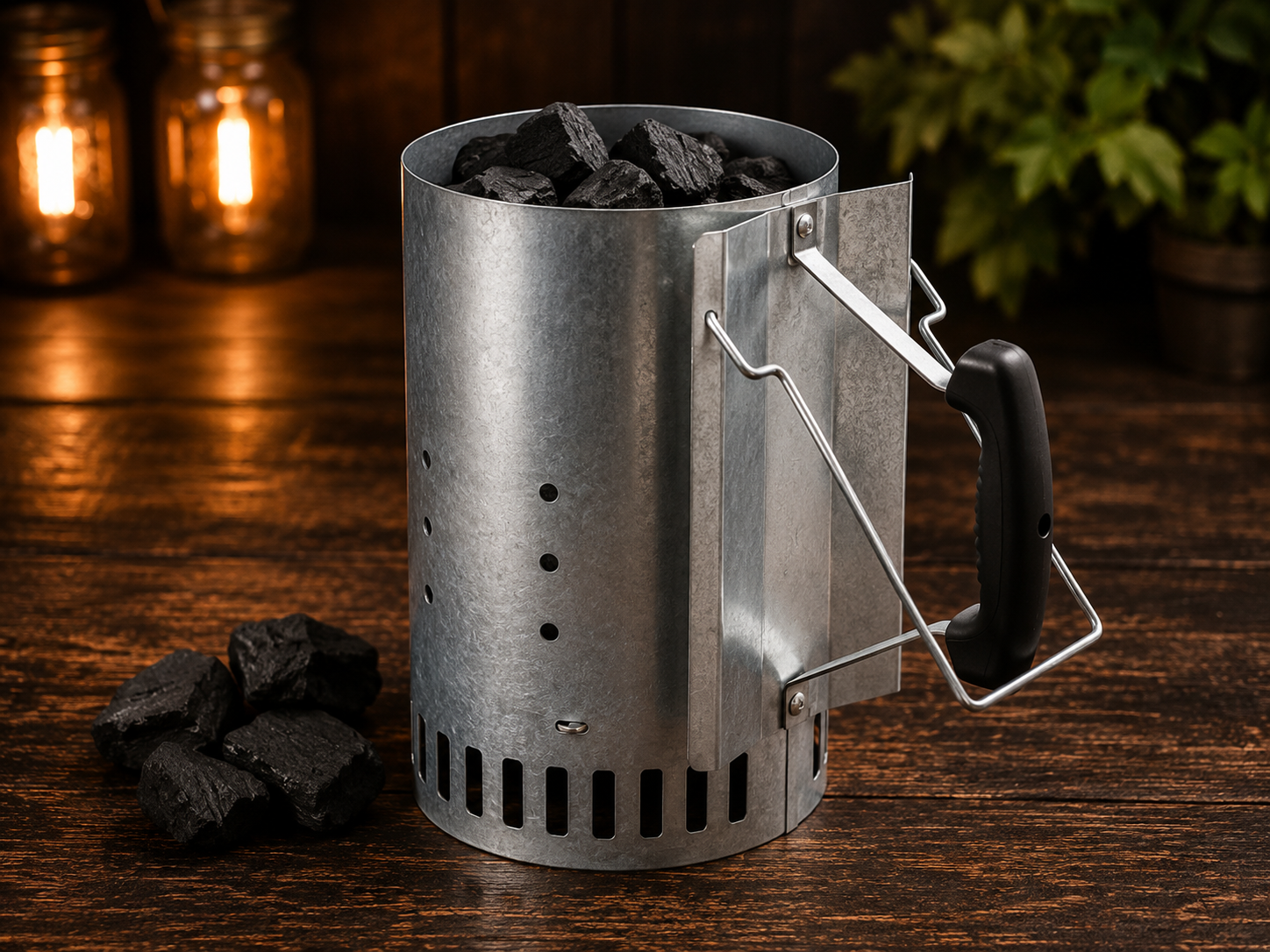
Use a charcoal chimney or fire starter to ignite the fuel evenly without relying on lighter fluid.
Spread the charcoal for direct heat or bank it to one side to create separate hot and indirect cooking zones.
Adjust the intake and exhaust vents to feed the fire, manage temperature, and keep clean air moving through the grill.
Sear directly over the coals, move food to the cooler side to finish gently, or add wood chunks for extra smoke flavor.
Charcoal grills deliver the live-fire experience many backyard cooks are chasing. They can run screaming hot, cook gently with indirect heat, and add real charcoal character to food. The tradeoff is that the fire needs time, attention, and cleanup—charcoal does not come with an instant on-and-off switch.
Produces bold charcoal flavor and authentic live-fire character
Reaches excellent temperatures for searing steaks and burgers
Handles direct grilling, indirect cooking, roasting, and smoking
Quality charcoal grills are available at approachable prices
Takes longer to light and preheat than a gas grill
Temperature control requires airflow and fuel-management practice
Ash and leftover charcoal must be cleaned out regularly
Wind, cold, and wet weather can make fire management more difficult
A charcoal grill is ideal for cooks who care about traditional flavor, enjoy working with a real fire, and want one affordable cooker that can do much more than basic burgers and hot dogs. It requires more involvement than gas, but the combination of high heat, versatility, and charcoal flavor makes the extra effort worthwhile.
BACK TO GRIDDLE COMPARISONA kamado grill uses a thick, insulated body to hold heat with remarkable efficiency. Ceramic and insulated metal models can run low and slow for hours, roast like an outdoor oven, grill over direct charcoal heat, and reach the intense temperatures needed for serious searing. It is one of the most versatile grill styles available, provided you are comfortable learning how to control the airflow.
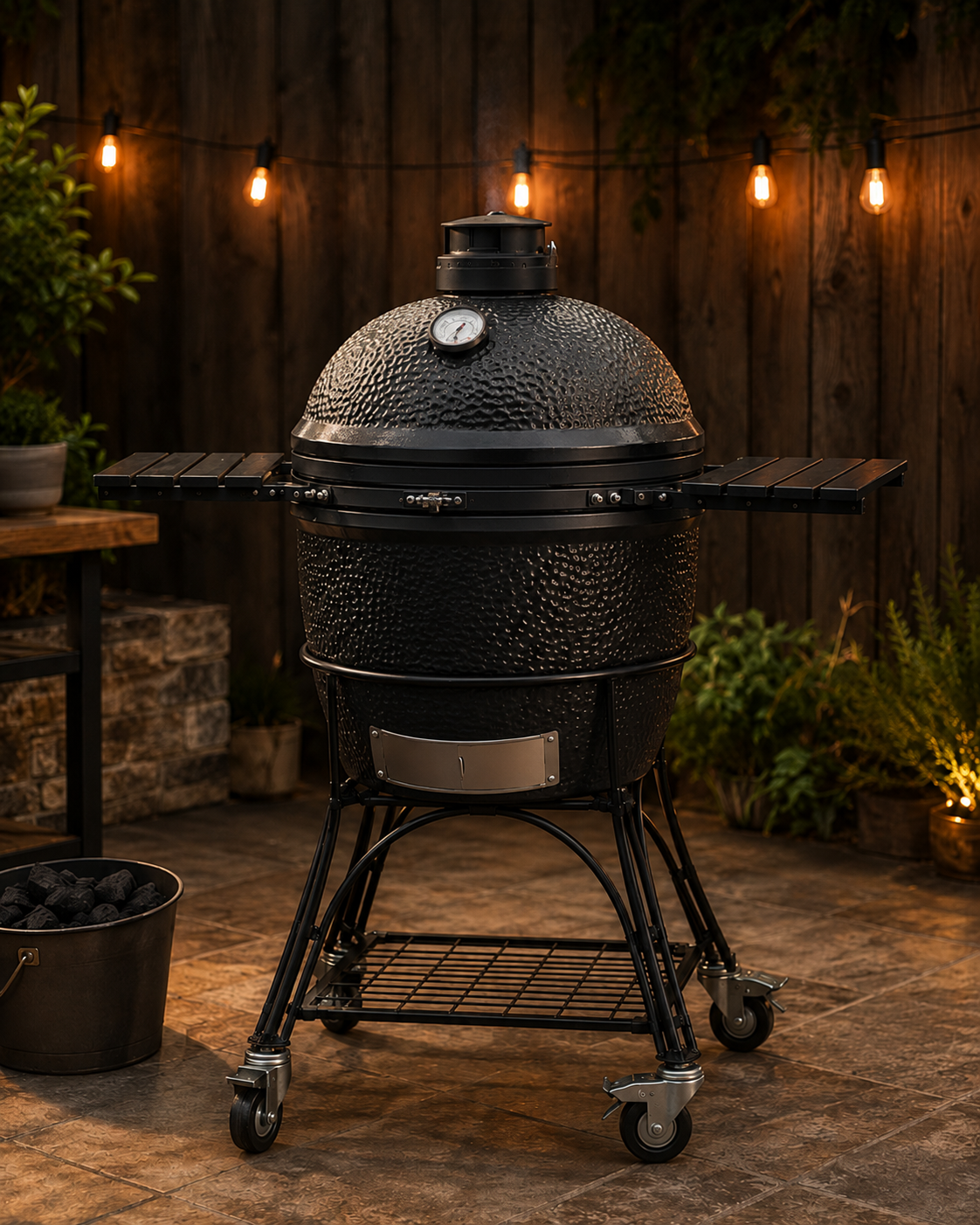
A kamado grill burns charcoal inside a heavily insulated cooking chamber. The thick walls trap heat while adjustable intake and exhaust vents regulate the oxygen feeding the fire. Small vent changes can hold a steady low temperature for slow cooking or unleash intense heat for grilling and searing, all while using surprisingly little charcoal.
Light the burners and give the griddle plate time to heat evenly before adding Fill the firebox with lump charcoal and ignite one or more small areas depending on the temperature and cooking method you need.
Open the lower intake and top exhaust vents to build heat, then gradually close them as the grill approaches your target temperature.
Cook directly over the charcoal for grilling, or add a heat deflector to create an indirect setup for roasting and low-and-slow cooking.
Let the insulated body retain heat while you make small vent adjustments instead of constantly adding fuel or chasing the temperature.
A full-size flat-top is one of the most practical outdoor cookers for feeding a family or handling an entire meal on one surface. It offers generous cooking space, straightforward temperature control, and plenty of flexibility, but it also requires patio room, routine surface care, and a willingness to trade smoke and open-flame cooking for speed and convenience.
Excellent heat retention and efficient charcoal use
Handles grilling, searing, roasting, baking, and smoking
Maintains steady temperatures during long cooks
Reaches extremely high heat for powerful searing
Heavier and harder to move than most backyard grills
Quality models and accessories can become expensive
Cooking space is often limited compared with larger gas grills
Temperature changes happen slowly once the ceramic body is hot
A kamado grill is best for cooks who want one charcoal cooker capable of handling nearly everything. It rewards people who enjoy learning fire control and value efficiency, temperature stability, and versatility more than maximum cooking space or easy portability. Once you understand the vents, it can become the most capable cooker in your backyard.
BACK TO GRIDDLE COMPARISONA portable grill gives you real outdoor cooking capability without tying you to a permanent backyard setup. Available in compact propane and charcoal models, these grills are built for campsites, tailgates, RV trips, picnics, small patios, and anywhere easy transport matters more than maximum cooking space.
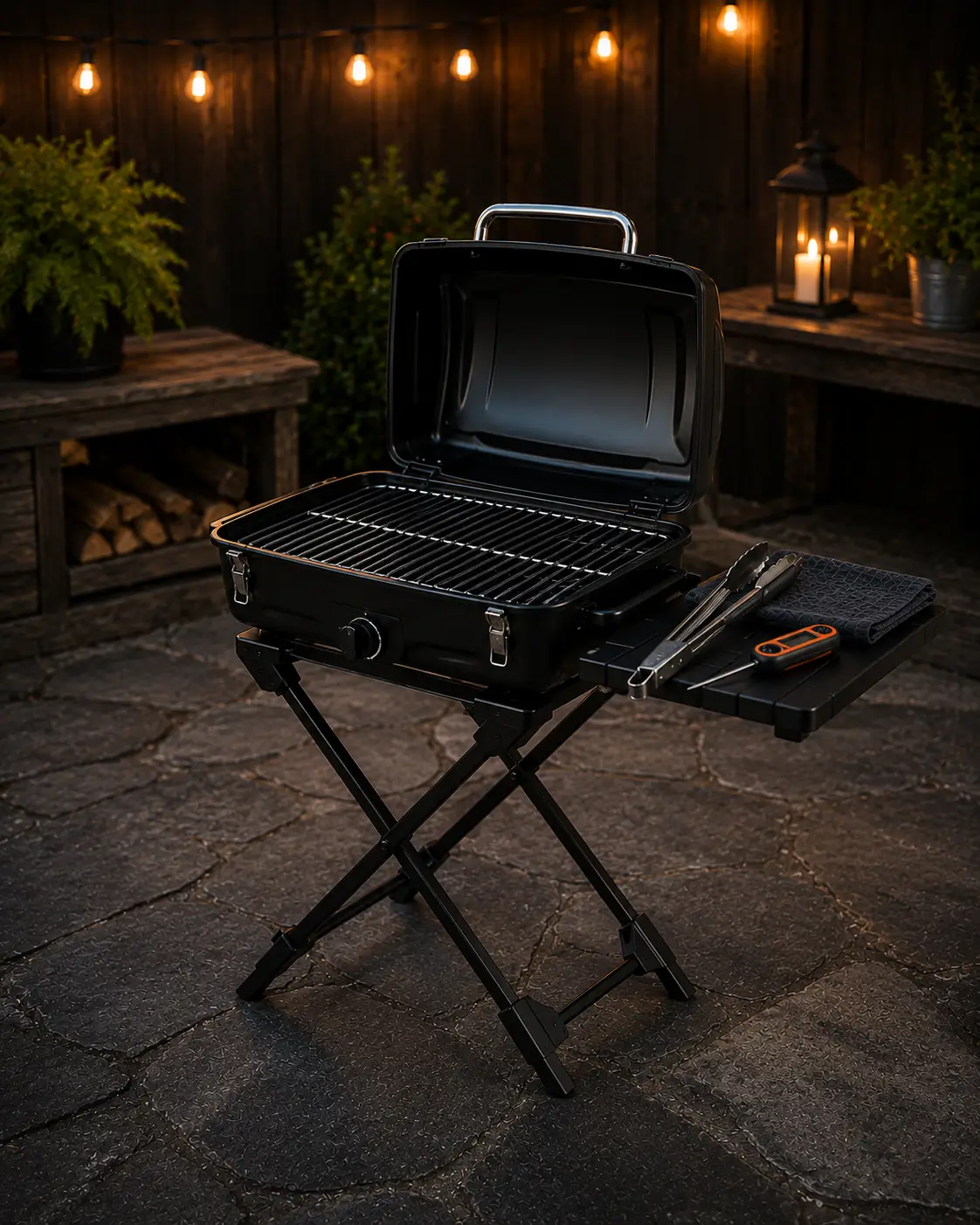
Portable grills use the same basic cooking methods as larger backyard grills, but package them into a lighter, more compact design. Propane models prioritize fast startup and easy temperature adjustment, while charcoal models deliver more traditional live-fire flavor. Either way, the goal is simple: provide enough controlled heat to cook a satisfying meal wherever you set up.
Place the grill outdoors on a stable, level, noncombustible surface with plenty of clearance from tents, vehicles, structures, and dry vegetation.
Allow the grill and cooking grate to heat fully before adding food so you get better searing, more even cooking, and less sticking.
Allow the grill and cooking grate to heat fully before adding food so you get better searing, more even cooking, and less sticking.
After cooking, shut down the fuel or close the vents, let the grill cool completely, remove grease or ash, and secure it before transport.
Portable grills make it possible to cook a real meal well beyond the backyard, and their smaller size also works well for patios, balconies where permitted, and limited storage. The compromise is reduced cooking space, lighter construction, fewer heat zones, and less room to feed a large crowd in one round.
Easy to transport for camping, tailgating, RV trips, and picnics
Compact footprint requires less storage space
Available in both convenient propane and flavorful charcoal models
Usually more affordable than a full-size backyard grill
Limited cooking space can require multiple batches
Smaller grills provide less room for separate heat zones
Lightweight construction may retain heat less effectively
Grease, ash, hot surfaces, and fuel require careful transport and cleanup
A portable grill is the right choice for cooks who want to take outdoor cooking beyond the backyard or need a capable grill that does not occupy much space. It will not replace a full-size grill for large gatherings, but for camping, tailgating, RV travel, small patios, and meals on the move, its convenience is tough to beat.
BACK TO GRIDDLE COMPARISON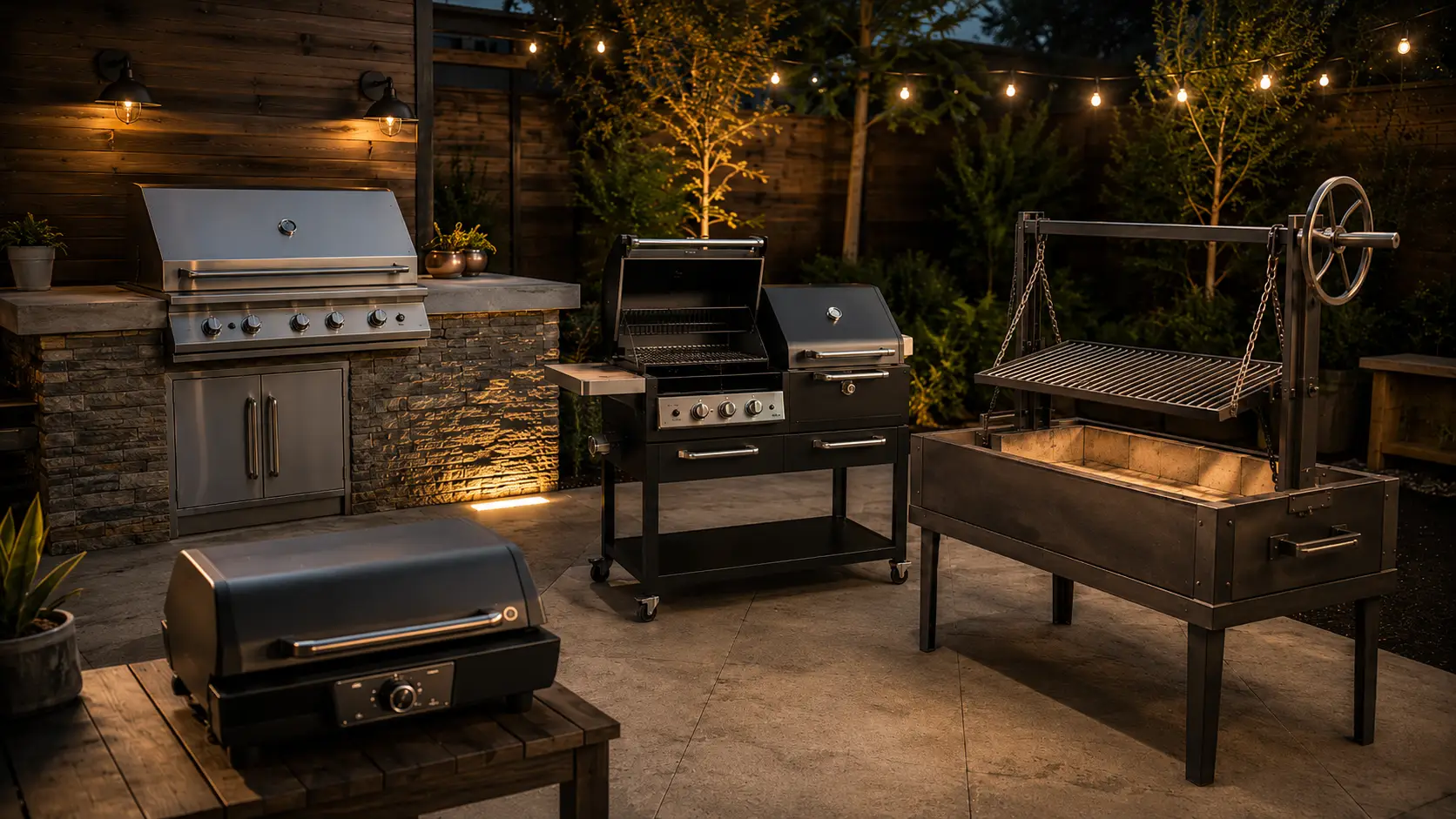
MASTER THE BACKYARD FUNDAMENTALS
Cook food directly over the flame or hot charcoal for fast browning, strong grill marks, and high-heat searing.
Move food away from the active heat source and close the lid to roast, finish thicker cuts, and prevent burning.
Create one hot side and one cooler side so you can sear, move food, control flare-ups, and finish cooking more gently.
Give the grill and cooking grates enough time to heat fully for better searing, more even cooking, and less sticking.
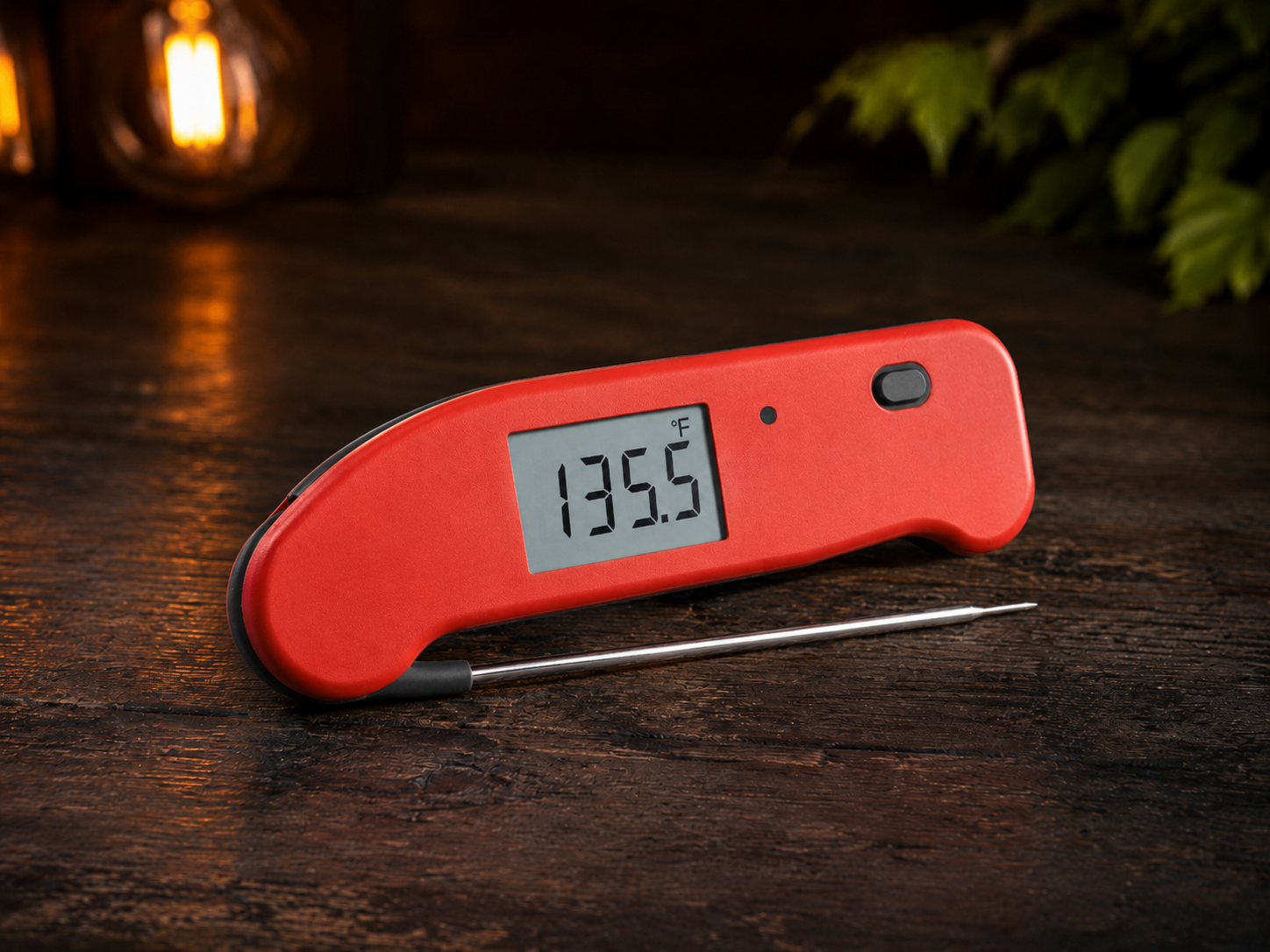
Use burner controls, charcoal placement, airflow, lid position, and an accurate thermometer to manage the heat instead of guessing.
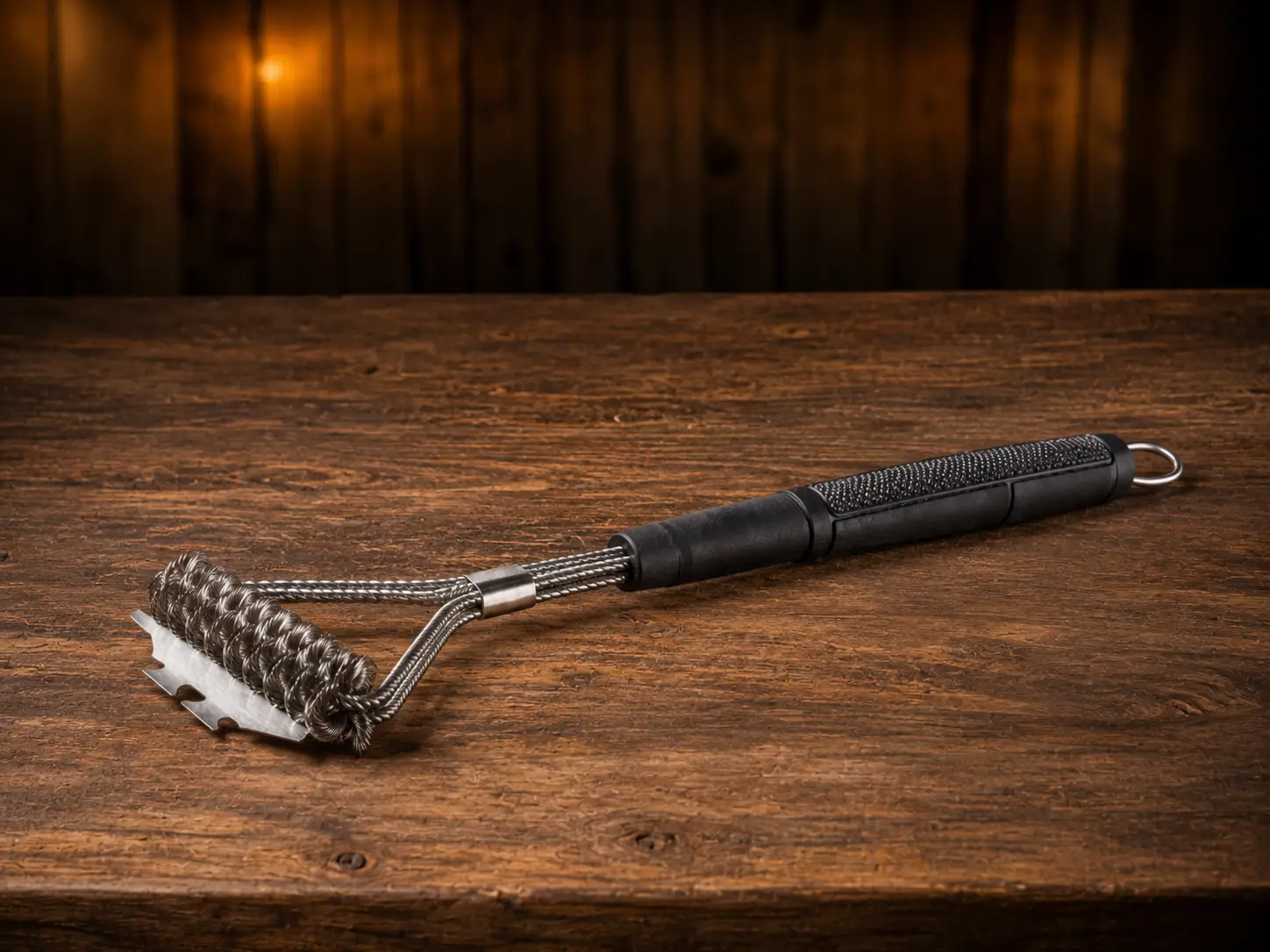
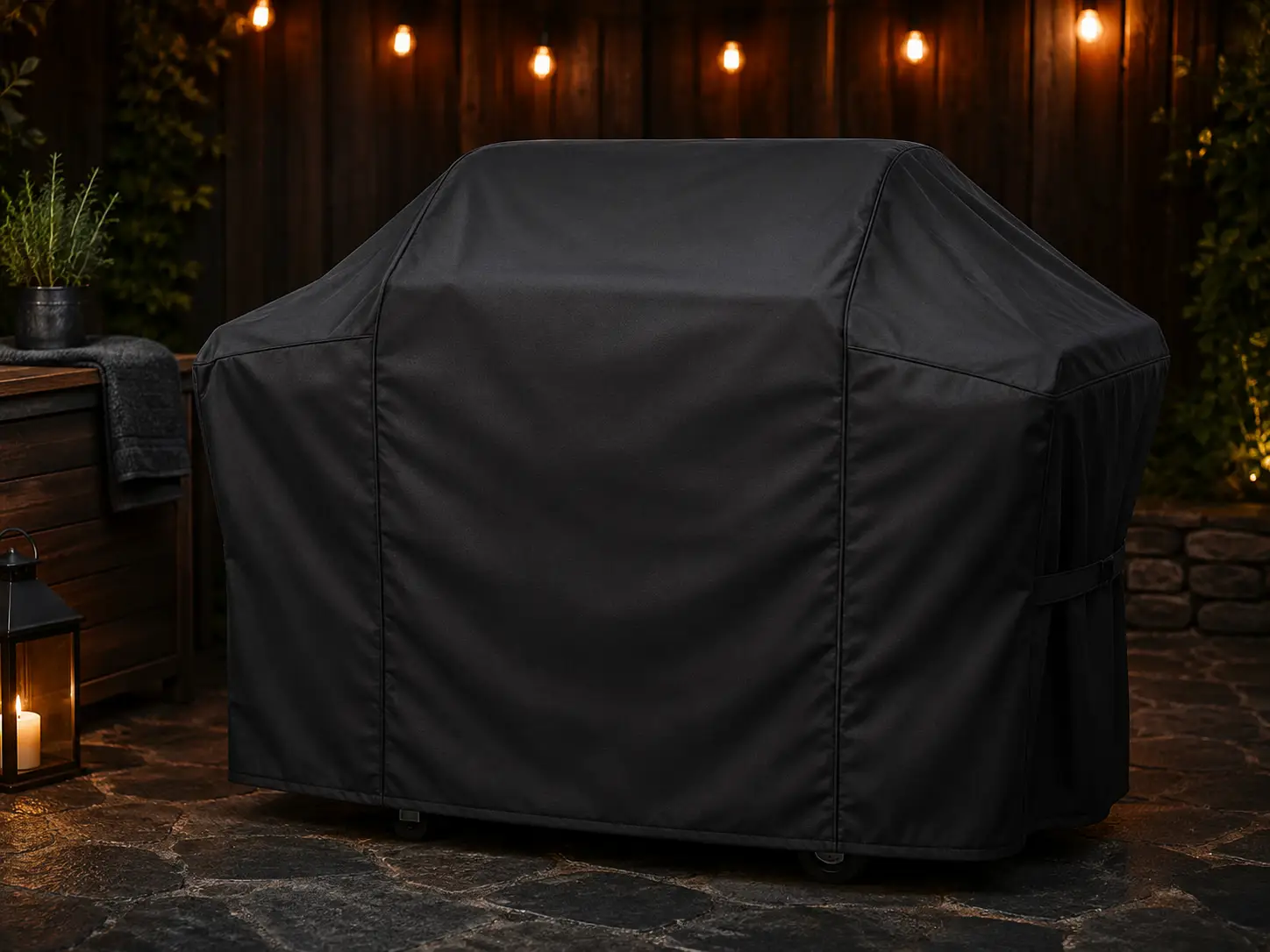
Clean the grates, remove grease or ash, inspect fuel components, and protect the grill so it cooks safely and lasts longer.
Affiliate Disclosure: This section contains affiliate links. If you purchase through one of these links, we may earn a commission at no additional cost to you. As an Amazon Associate I earn from qualifying purchases.
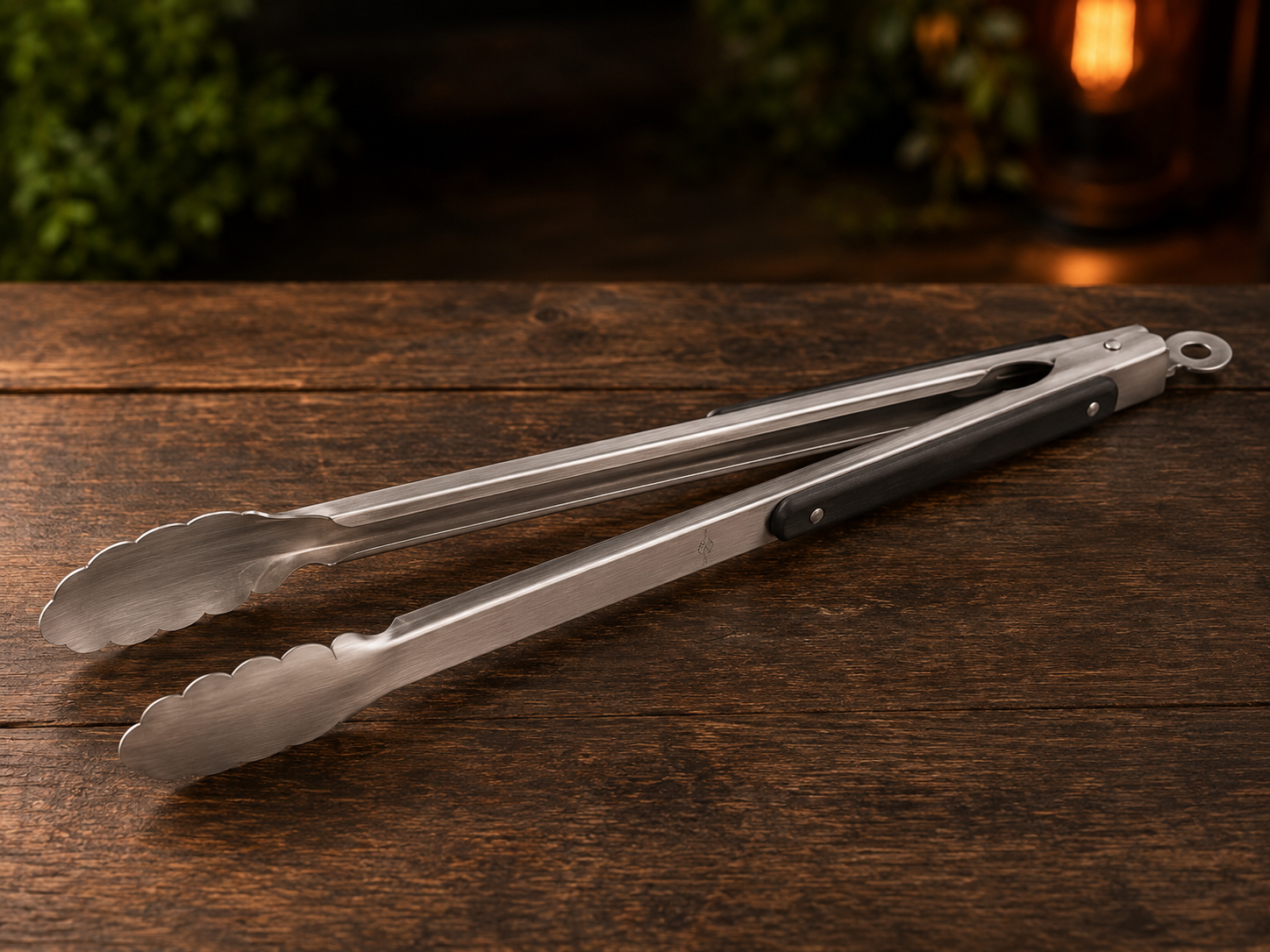
Compare the main griddle styles, think about where and how you cook, or take the quick quiz for a practical recommendation. The right griddle is not always the biggest or most expensive—it is the one you will actually enjoy uCompare gas, charcoal, kamado, and portable grills, think about how and where you cook, or take the quick quiz for a practical recommendation. The right grill is not always the biggest or most expensive—it is the one you will actually enjoy firing up and using.
COMPARE GRILL TYPES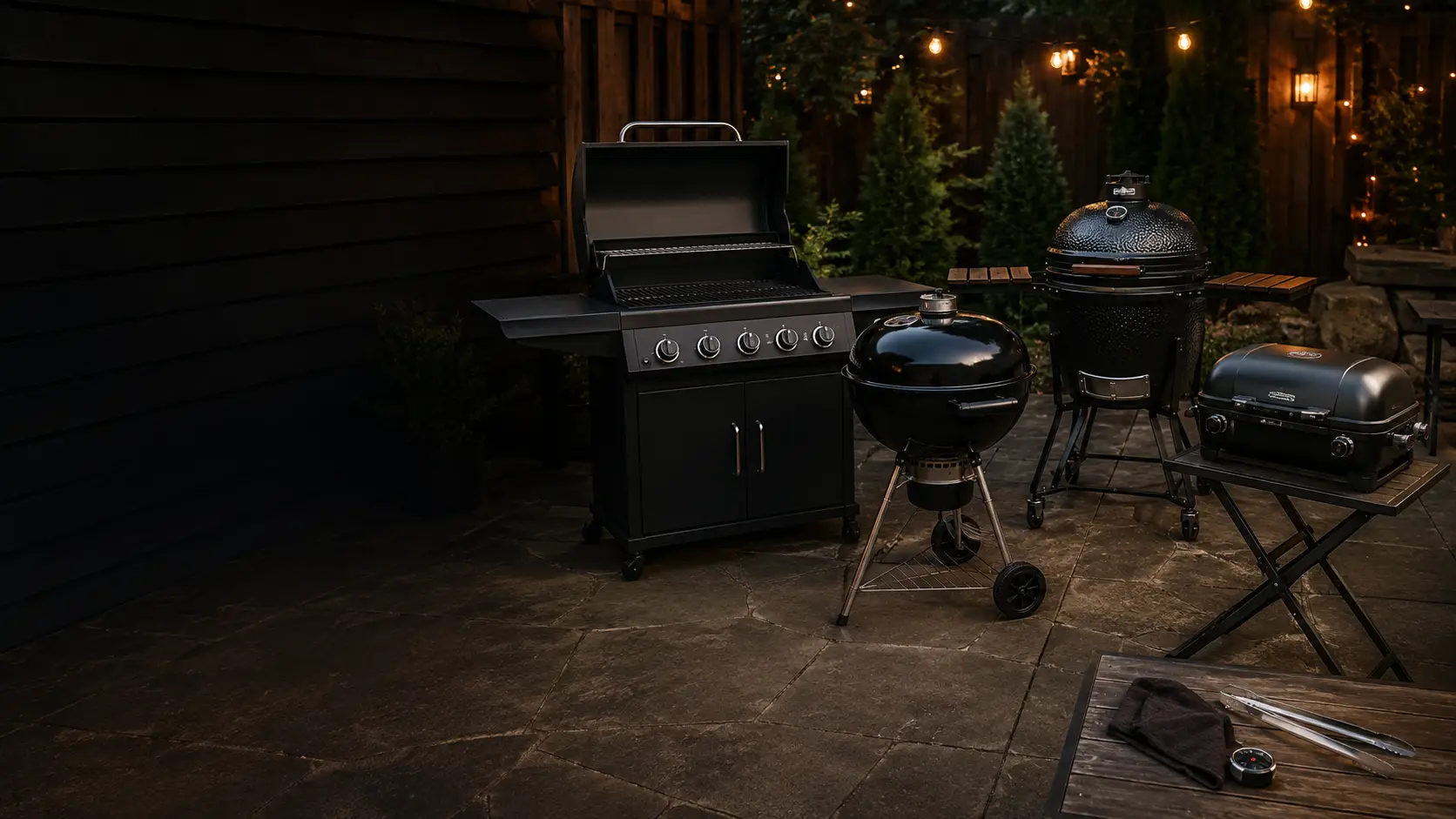

Get approachable recipes, practical BBQ tips, and helpful guides delivered straight to your inbox.
JOIN THE COMMUNITYGet new recipes, practical backyard cooking tips, gear recommendations, and subscriber-only updates delivered straight to your inbox. Plus your free Temp Guide.
No spam. Just useful backyard cooking content. Unsubscribe anytime.
